Enabling Growth1 May 2024
Using Anger Constructively: A Path to Passion
PG
Subramaniam P G
Growth Architect · Executive Coach · Author
When reason ends, then anger begins. Therefore, anger is a sign of weakness, not of strength.
Dalai Lama
In the complex dynamics of modern workplaces, anger is often seen as a destructive force, yet it can be transformed into a catalyst for passion and change when properly managed. This transformation begins with a deep understanding of the sources and triggers of anger within the organizational context.
Identifying the Roots of Anger
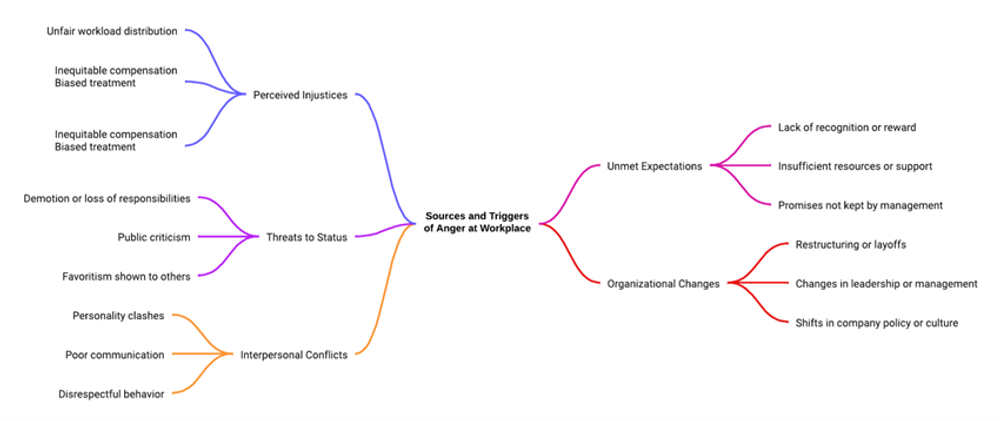
Anger in a professional setting frequently arises from several core issues, including perceived injustices, unmet expectations, threats to status, interpersonal conflicts, and disruptive organizational changes. Each trigger is deeply intertwined with fundamental human needs and perceptions, such as fairness, respect, security, and achievement.
For example, perceived injustices such as a disparity in workload distribution or recognition can ignite feelings of anger due to a sense of unfair treatment. Similarly, organizational changes that are implemented without clear communication can trigger insecurity and a lack of control, further exacerbating feelings of anger. Such emotions, if left unchecked, can spiral into negativity and conflict.
PG
Subramaniam P G
Growth Architect · Executive Coach · Author
Writing at the intersection of ancient wisdom and modern leadership since 2008.
About Subramaniam P G