
Enabling Growth28 May 2013
Self Consciousness is Enemy of Excellent Performance
PG
Subramaniam P G
Growth Architect · Executive Coach · Author
Last week a senior leader of an organization asked me a question. Is it possible for people to be outstanding all the time. And if so, how do they know they are outstanding.
Why our systems miss the outliers
Excellence in performance comes from several dimensions. Our systems today teach us how to build performance structures, starting from goal setting to review. These systems are useful and needed. But they work well mostly for average performers. They do not excite the outliers.
We have also got used to telling people to be careful in what they are doing. We put heavy emphasis on watching every step. This is necessary for beginners and growing professionals. But for a good professional, it can become a bottleneck to performing at their best.
The pianist example
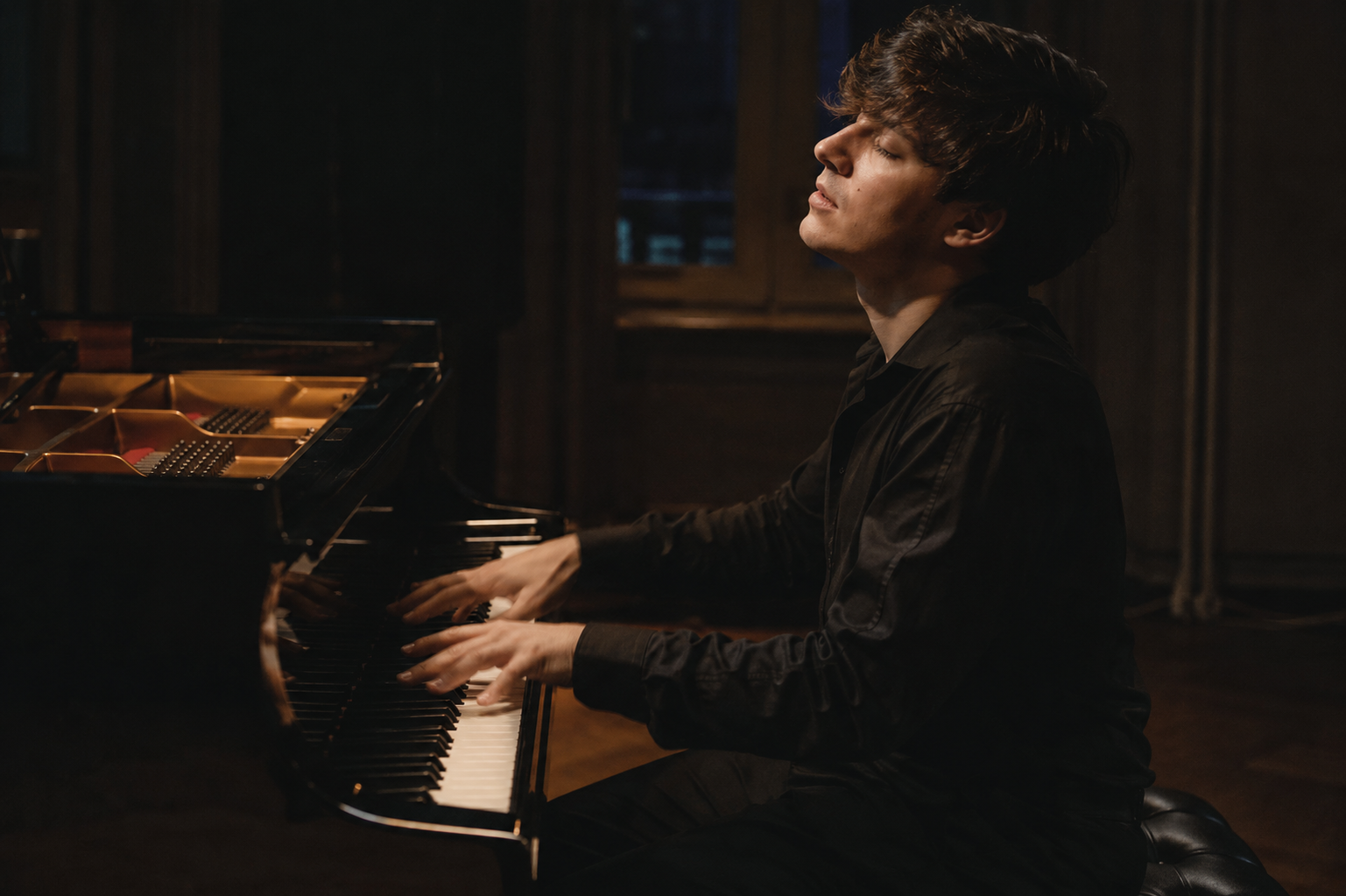
A speaker once gave the example of a pianist. It struck a chord with me, since I watch my son play piano. After his performance, he often plays back the recording to check how he did. He finds his own faults without anyone pointing them out.
A few important points stand out here, if you look for them.
While he plays, he does not think about how he is playing. He is not watching the keys he strikes.
He has received appreciation from great musicians like A R Rahman for his performance. He is happy with that. But he still listens back to his own piece to judge if he was satisfied. He points out where he could have done better or differently.
He applies his own judgment on how he played, from time to time. That judgment is never about a single key stroke. It is about the overall performance.
What this tells us about performance
I tried imagining what would happen if he focused on every key stroke while performing. He may do that while learning or practicing. But not during the actual performance. This is possible only because we do not keep telling him, at every stage, to be careful. That kind of reminder is really a form of policing.
His teacher is strict about his output during rehearsals and practice sessions. He has been briefed on the program, the occasion, the likely guests, the piece, and the expected outcome. But none of this is repeated to him during the real performance.
In short, his performance is possible because he is not self conscious while performing. That is the formula for his excellence.
What this means for managers
Can we see this happen more often on the management floor. This calls for a real change in how managers operate. Managers need to stop policing. The most important shift required is that managers must learn to trust their people.
PG
Subramaniam P G
Growth Architect · Executive Coach · Author
Writing at the intersection of ancient wisdom and modern leadership since 2008.
About Subramaniam P G